Building a Sustainable Garden: A Beginner's Guide
A sustainable garden isn't just good for the environment—it's easier to maintain, cheaper to run, and more rewarding than a traditional garden. Whether you have a sprawling plot or a small balcony, these principles transform any outdoor space.
Soil Health First Healthy soil is the foundation of everything. Instead of using chemical fertilisers, build soil fertility by adding compost and well-rotted manure. Mulching with compost or woodchips retains moisture, suppresses weeds, and feeds soil as it breaks down. Soil rich in organic matter needs less watering and produces healthier plants.
Water Wisely Install a water butt to collect rainwater from your roof. This free water is perfect for plants and reduces mains water use significantly. Water early morning or evening to minimise evaporation. Mulching reduces watering needs by 50%. Group plants with similar water needs together. These simple steps cut water bills whilst conserving resources.
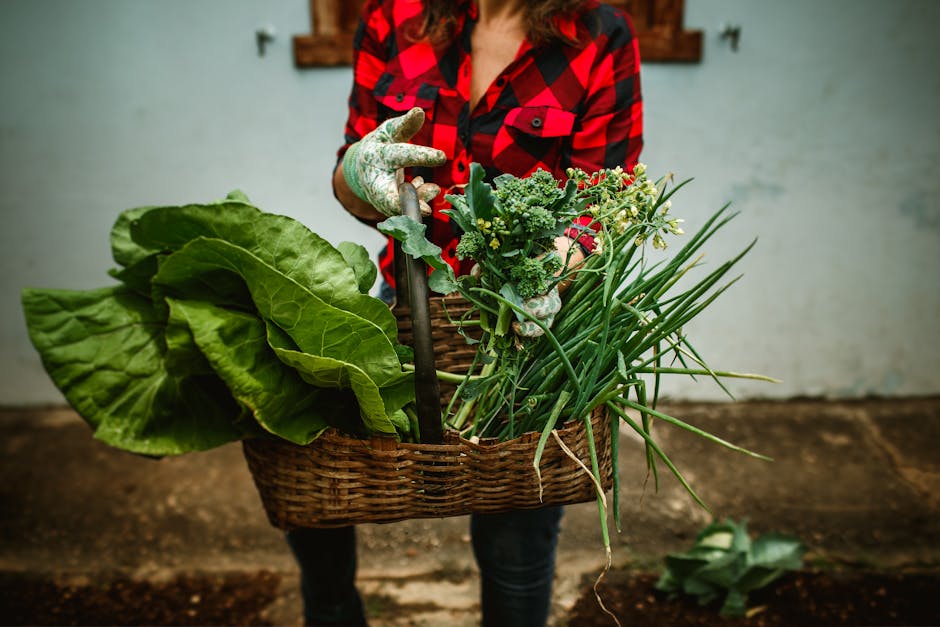
Growing Food Even a small space produces surprising amounts of food. Tomatoes, courgettes, beans, and lettuce grow easily in the UK. Herbs in pots provide fresh flavour without transport emissions. Perennial vegetables like asparagus and rhubarb produce for years. Growing your own food reduces packaging waste, transport emissions, and costs.
Supporting Wildlife Native plants provide food and shelter for insects, birds, and small mammals. A small pond—even a large bowl—creates habitat. Leave some areas wild; fallen logs and leaf litter support countless creatures. Avoid pesticides and herbicides; they kill beneficial insects and contaminate soil and water. A biodiverse garden is more resilient and requires less maintenance.
Reducing Waste Make your own compost from garden waste and kitchen scraps. Use fallen leaves as mulch rather than bagging them. Save seeds from plants you like. Propagate cuttings rather than buying new plants. Share excess produce and seeds with neighbours. These practices eliminate garden waste whilst building community.
Choosing Plants Wisely Select plants suited to your soil and climate—they'll thrive with minimal input. Perennials return yearly, reducing replanting. Native plants support local wildlife. Avoid peat-based compost; it destroys precious habitats. Choose peat-free alternatives, which work equally well.
A sustainable garden evolves gradually. Start with compost and water collection, then expand from there. You'll find gardening becomes easier, cheaper, and far more satisfying when you work with nature rather than against it.