The Best Eco-Friendly Products for Your Kitchen
The kitchen is where many of us generate the most waste. Single-use plastics, paper towels, cling film, and disposable packaging add up quickly. Fortunately, there are excellent sustainable alternatives that often work better and save money over time.
Food Storage Beeswax wraps are a brilliant replacement for cling film. Made from organic cotton coated with beeswax, they're washable, reusable for up to a year, and work beautifully for covering bowls or wrapping food. Glass containers with lids are perfect for storing leftovers and last indefinitely. Stainless steel containers offer a plastic-free alternative that's durable and attractive.
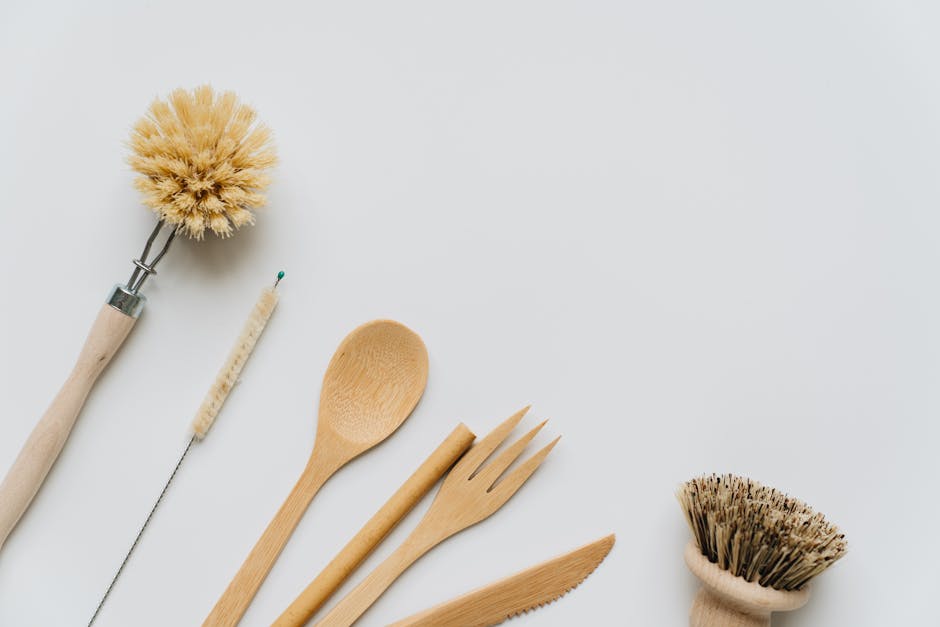
Cleaning and Washing Bamboo dish brushes replace plastic-handled versions and are fully compostable when worn out. Wooden chopping boards are more sustainable than plastic and develop character with use. Natural loofah sponges biodegrade completely, unlike synthetic sponges. Solid dish soap bars work just as well as liquid versions but produce far less packaging waste.
Meal Preparation Stainless steel or bamboo utensils beat plastic handles that crack and end up in landfill. A quality chef's knife lasts decades. Cloth napkins replace paper towels—they're washable, more pleasant to use, and save money quickly. Bamboo or wooden cutting boards are gentler on knives than plastic.
Storage Solutions Glass jars in various sizes store dry goods beautifully and eliminate plastic packaging. You can reuse jars from shop-bought items. Cloth bags made from organic cotton store vegetables in the fridge whilst allowing air circulation, preventing plastic packaging waste.
Buying Wisely Look for products made from natural materials: bamboo, wood, stainless steel, glass, and organic cotton. Avoid items marketed as 'eco' but made from plastic. Choose items built to last rather than cheap alternatives you'll replace frequently. Many sustainable kitchen products cost more initially but work out cheaper over years of use.
Switching your kitchen gradually to sustainable alternatives is one of the easiest ways to reduce household waste. Start with items you use daily—you'll notice the difference immediately and feel better about your environmental impact.